Uncategorized • October 5, 2026

Selling Your Home: What Could It Sell For—and How Much Would You Keep?

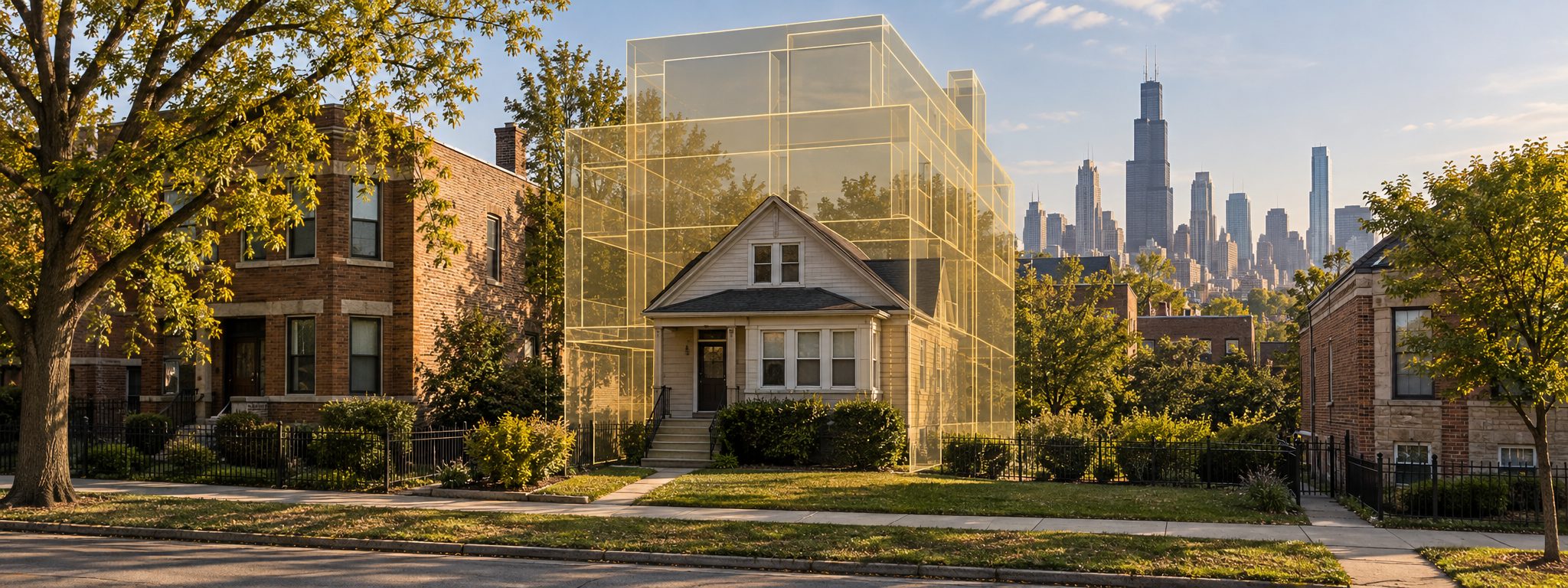
Selling your home? Start with two numbers: what it could sell for and how much money you might keep after the sale.

You may have owned your home for many years. Now you are thinking about a smaller place, a move closer to family, or simply a change.

Before deciding, you need answers to two questions:

What could my home realistically sell for? And how much money would I have available for my next move?

I help homeowners in Skokie, Morton Grove, Niles, Evanston, and Wilmette work through both questions before spending money on preparation or committing to a listing.

What Could Your Home Sell For?

Your neighbor’s sale price and an online estimate can offer clues. But your home needs its own review.

I compare recent sales, current competing listings, and important differences in location, size, layout, condition, lot, and parking.

Then I explain a supported price range, which properties are the strongest comparisons, and what could influence your result.

If your home needs updates, that does not automatically mean you should renovate before selling. We first consider the likely buyers and how your property compares with their other choices.

What Would You Have Left After the Sale?

The sale price is only the starting point.

An estimated seller net sheet brings the expected deductions and adjustments into one place. Depending on your transaction, these may include:

  • Mortgage payoff and other amounts secured against the property.
  • Agreed brokerage compensation.
  • Attorney, title, and other closing charges allocated to you.
  • Applicable transfer taxes and property-tax adjustments.
  • Association charges, if applicable.
  • Buyer credits or repair concessions you agree to provide.

Brokerage compensation is not set by law and is fully negotiable. Actual charges depend on your agreements, property, closing date, and transaction.

An Example: A Home Selling for $525,000

Here is a hypothetical starting calculation:

  • Sale price: $525,000
  • Mortgage payoff: $200,000
  • Amount remaining before selling costs and closing adjustments: $325,000

The $325,000 is not your final take-home amount.

To estimate your proceeds at closing, we would then account for:

  • Brokerage compensation: the amount established by your agreement, plus any separately agreed seller payment toward buyer brokerage compensation.
  • Seller-paid closing charges: estimated charges allocated to you for the transaction.
  • Property-tax and other adjustments: amounts based on your contract, applicable information, and closing date.
  • Association charges and other obligations, if applicable.
  • Buyer credits: any amounts agreed upon during negotiations.

Your estimated proceeds can be calculated once these amounts are included, without counting any expense twice. Credits due to you may also affect the final calculation.

Your lender supplies the mortgage payoff, which may differ from the balance on your latest statement.

Preparation expenses, moving costs, your next purchase’s closing costs, and any applicable income taxes also need to be considered when planning the funds available for your move.

Do You Need to Repair the House First?

Before ordering a new kitchen or replacing flooring, I help you compare two possible paths.

Option 1: Sell in the current condition

We identify likely buyers, review relevant comparable sales, and discuss pricing that reflects the home’s condition. We also consider your preferred timeline and convenience.

Option 2: Prepare before listing

We identify potential preparation work, and you obtain estimates from qualified contractors. We review whether comparable sales support the expected benefit and consider the time, expense, and uncertainty of completing the work.

Some homes may benefit from cleaning, decluttering, or limited repairs. Others may justify more preparation. The recommendation should follow the property’s circumstances and market evidence.

A higher sale price does not necessarily leave you with more money after the work is paid for.

From Planning to Selling Your Home

An initial review can help you understand:

  • A supported estimated sale-price range.
  • A preliminary estimate of your proceeds.
  • Preparation options that fit your property and priorities.
  • Questions your lender, attorney, or other specialists need to confirm.

When you decide to move forward, I help coordinate preparation, develop the pricing and marketing plan, arrange showings, negotiate offers, and coordinate the transaction with the professionals involved through closing.

You have a broker helping you make the initial decisions and carry out the sale.

Considering a sale in Skokie, Morton Grove, Niles, Evanston, or Wilmette? Contact me with your property address and the timing you have in mind. Let’s discuss your options before you spend money preparing the house.

Natalie Novikova
Illinois Licensed Real Estate Broker
CENTURY 21 Circle

This article provides general information, not legal or tax advice. A comparative market analysis is not an appraisal. Price and proceeds estimates are preliminary and do not guarantee a sale price or final amount. Payoffs, charges, and adjustments must be confirmed by the appropriate parties. Consult your attorney and a qualified tax professional about your individual circumstances.

Read next:

Ready to Sell, but Haven’t Found Your Next Home?

Buyer Resources • Seller Resources • October 2, 2026

Absentee Owner in Chicago? How to Decide Whether to Keep or Sell Your Property

You own a three-bedroom house in Chicago, but you now live in Texas, California, or another state. Your tenant pays $3,500 a month. That sounds like $42,000 a year. But how much do you actually keep?

Imagine the house sits vacant for one month between tenants. Instead of $42,000, you collect $38,500 that year. Now subtract $11,000 in property taxes, $3,000 for insurance and other owner-paid costs, $5,000 for routine repairs, and $3,360 for management.

That leaves $16,140 before mortgage payments and income taxes. If the house also needs a $10,000 major repair, the amount left for that year drops to $6,140.

These are illustrative numbers, not an estimate for your property. Pull out your actual tax bill, rental income, insurance costs, and repair receipts. What does your house earn after expenses? And how much time does managing it from another state take?

The decision is worth revisiting as conditions change. In August 2026, the Cook County Treasurer reported that property tax bills rose for many Chicago homeowners. In September 2026, Illinois REALTORS® reported that Chicago had 23.3% fewer homes for sale in August than a year earlier. Neither figure tells us what your house would sell for. That depends on its location, condition, and comparable sales.

As a broker, I can review those sales, discuss who might buy your home, and help you understand how to position it if you decide to sell. You can compare that option with what you actually earn by keeping it as a rental. Your tax adviser can explain the tax consequences of a sale.

Own a property in Chicago or the northern suburbs, but now live in another city or state? Text me the address. I’ll take an initial look at comparable sales and discuss what else we would need to estimate a realistic selling range. There’s no obligation to list.

Natalie Novikova
Illinois Licensed Real Estate Broker
CENTURY 21 Circle
Call or text: 224-517-5507

Sources:
Cook County Treasurer, August 2026:
https://www.cookcountytreasurer.com/researcharticles.aspx?articleid=2026082401

Illinois REALTORS®, September 2026:
https://www.illinoisrealtors.org/blog/illinois-home-prices-and-home-sales-higher-in-july-inventory-sees-year-over-year-decline-2/

Buyer Resources • Seller Resources • October 1, 2026

What Could Be Hiding Under Your Vacant Lot—and Why Buyers Ask?

A vacant lot can look simple from the street. But before making an offer, a buyer may ask: What used to be here? Where are the property lines? Are water and sewer connections actually available?

These questions matter in Chicago. In a 2017 environmental assessment published by the City of Chicago, consultants reviewed records concerning nearby properties, including a former dry cleaner and a reported leaking underground storage tank. This does not mean that other vacant lots have the same issues. It shows why buyers may want to understand a property’s history and surroundings. www.chicago.gov

If you’re selling, gather what you have: a survey, records of former buildings or uses, environmental reports, and any paperwork about water and sewer service. Don’t have all of it? You can still begin planning a sale. I can help you identify which questions we can answer from available property records, which documents may be worth requesting, and which matters need a qualified specialist. We’ll present confirmed information clearly and leave open questions clearly marked.

If you’re buying, use those same questions to plan your due diligence. The Illinois EPA’s land databases and the Illinois State Fire Marshal’s tank search are starting points. Environmental professionals, surveyors, utilities, and local officials can help verify matters within their expertise before you rely on a development plan or budget. epa.illinois.gov

As your broker, I can review comparable land sales, organize the available information, help you work through the questions buyers are likely to raise, and present the lot to buyers whose needs may fit. My job is to help you move from unanswered questions to a clearer selling strategy.

Own vacant land on Chicago’s North Side or in a northern suburb? Text me the address. We’ll start with what is known and discuss the next steps for a sale.

Natalie Novikova
Illinois Licensed Real Estate Broker
CENTURY 21 Circle
Call or text: 224-517-5507

Buyer Resources • Seller Resources • September 30, 2026

Can You Sell a Home on a Busy Street? What Buyers Notice—and What You Can Do

Selling a home on a busy street? Start with recent sales of homes with similar road exposure. Then compare their condition, size, and features with yours.

“Your house is lovely, but the street is too busy.”

That is hard for a seller to hear. You cannot move the house. Does that mean you have to accept a much lower price?

Not until you know what buyers have actually paid for similar homes.

Selling a Home on a Busy Street: How to Compare Prices

When I review a home on a busy street, I do not start with a standard percentage to subtract for traffic. I look for recent sales with similar road exposure, then compare their size, condition, layout, and price with homes on quieter streets. That gives us a better basis for deciding where your home fits in the market.

Next, I walk through the property as a buyer would. Where is the traffic most noticeable? Where does the home feel quieter? Perhaps the bedrooms face the back, the yard is private, or the house offers space buyers cannot find at the same price nearby. Those are real features worth showing in the photos and description—without pretending the street is quiet.

Then we look at your proposed repairs. If you are thinking about new windows, a fence, or a major update, let’s compare the cost with the likely effect on your sale before you spend the money. Some work may help. Some may simply reduce what you take home at closing.

A busy street changes how I would evaluate and market a property. It does not tell us, by itself, what your home is worth.

Own a home on a busy street on Chicago’s North Side or in the northern suburbs? Text me the address at 224-517-5507. I’ll take a closer look at its competition and recent sales, and we’ll discuss a selling strategy that fits your property.

Natalie Novikova
Illinois Licensed Real Estate Broker
CENTURY 21 Circle

Seller Resources • September 29, 2026

Fix Your Home Before Selling—or Sell It As-Is?

Kitchen with wood cabinets and material samples on the counter, illustrating whether to fix your home before selling.

Should You Fix Your Home Before Selling? Start With the Likely Buyer

Imagine two homes with the same older kitchen. One is otherwise well maintained and will appeal to someone ready to move in. The other needs substantial work and may appeal to a buyer planning a full renovation. Spending $30,000 on a new kitchen could make sense for neither seller. The question is whether the work will change what buyers are willing to pay enough to justify its cost.

Before you hire a contractor, I suggest three steps:

1. Address what makes buyers hesitate.

A leak, a broken fixture, or a concern about the roof deserves attention. Get an estimate so you can compare the cost of fixing it with the option of pricing the home in its current condition.

2. Make the home easy to see.

Clear crowded rooms, clean thoroughly, improve the lighting, and consider paint where walls look worn. In its 2025 Remodeling Impact Report, the National Association of REALTORS® lists painting among the projects agents most often recommend to sellers. That is a general finding, not a reason to repaint every room in every home. nar.realtor

3. Compare selling options before committing to major work.

A move-in-ready buyer, a renovator, and a builder may value the same property differently. Recent comparable sales can help show whether an improvement is likely to strengthen your asking price or simply add to your expenses.

Selling as-is can be a reasonable choice. It means offering the property in its present condition; it does not mean ignoring known issues or skipping applicable disclosures. If a significant defect or contract question arises, involve the appropriate inspector or attorney.

I can review your home’s condition, comparable sales, and likely buyers with you, then help you decide which work may support the sale and which work you can leave to the next owner.

Thinking about selling? Don’t spend money on repairs until you know which ones could matter to buyers. Text me your property address and a few photos at 224-517-5507. I’ll review comparable sales and help you decide what to fix, what to leave, and how to position your home for sale. No obligation.

Natalie Novikova
Illinois Licensed Real Estate Broker
CENTURY 21 Circle
224-517-5507

Seller Resources • September 28, 2026

Why Some Homes Don’t Sell—and What Owners Can Do Next

Your home was on the market. People saw the listing, perhaps a few came to look, but no one made an offer. What should you change before trying again?

Start with what happened, not with a new asking price.

If the listing received little attention, review the price alongside recent sales and competing homes. Look at the first photo, too. Would it make a buyer stop scrolling? The National Association of REALTORS® identifies competitive pricing and marketing as two priorities for sellers. Source: NAR, 2025 Profile of Home Buyers and Sellers.

If buyers toured the home but did not make offers, ask what they said afterward. Did several people mention the same concern: the condition, a room that felt smaller than expected, or a feature they would need to change? Repeated feedback is more useful than one person’s opinion. Sometimes better presentation helps buyers understand the space; NAR’s 2025 staging report found that 83% of buyers’ agents said staging made it easier for buyers to picture a property as a future home.

If offers came in but no sale followed, look at the proposed price and terms. An offer tells you something about how a buyer values the home, even if you decide not to accept it.

A home that did not sell does not need the same plan repeated. I can review its listing history, comparable sales, photos, and buyer feedback with you, then recommend what to change before putting it back on the market.

Thinking about selling again?

Send me the property address and we can start with a fresh look.

Natalie Novikova
Illinois Licensed Real Estate Broker
CENTURY 21 Circle
Call or text: 224-517-5507

Seller Resources • September 27, 2026

Is Downsizing the Right Move for You?

Thinking about downsizing your home? A smaller home does not always mean a smaller bill. Start by comparing your daily needs and the full cost of your next home.

Imagine you own a three-bedroom house in Chicago. The children have moved out, and you use only a few rooms. A condo in Skokie looks easier to manage: less yard work, fewer stairs, and less space to clean. But before you put the house up for sale, there is one question to answer: what would the move actually change for you?

Downsizing Your Home: What Would You Gain—and What Would It Cost?

What would you gain? Perhaps a simpler daily routine, a layout that works better for you, or a location closer to family. According to the National Association of REALTORS®, buyers over 60 cite several reasons for moving, including being closer to family, retirement, and downsizing. nar.realtor

What would it cost? Next, compare the likely sale proceeds from your current home with the full cost of the next one. For example, if you choose a condo, include the HOA fee as well as property taxes, insurance, and any planned repairs. If you receive a property tax exemption, check which exemptions you may qualify for at the new address. The Cook County Assessor explains that homeowner and senior exemptions depend on eligibility tied to the residence. cookcountyassessor.com

You may find that moving gives you the lifestyle you want. You may also find that staying put makes more sense for now. Either answer is useful before you spend money preparing your home for sale.

I can prepare a comparative market analysis for your current home and help you compare selling options with the homes you are considering next. If you are thinking about downsizing in Chicago or the northern suburbs, call or text me at 224-517-5507.

Natalie Novikova
Illinois Licensed Real Estate Broker
CENTURY 21 Circle

Read next:

Selling Your Home: What Could It Sell For—and How Much Would You Keep?

Uncategorized • September 24, 2026

7 Things to Do Before Listing Your Home for Sale

Decided to sell your home? You may be wondering whether to make repairs, how to choose a price, and where to begin.

Here are seven steps that can help you prepare—and avoid spending money where you don’t need to.

1. Determine your home’s market value

Before choosing a listing price or starting major repairs, get a comparative market analysis (CMA). A useful CMA looks at similar homes that recently sold, homes currently competing for buyers, and your property’s condition and features.

I can prepare this analysis for you and explain how I arrive at a recommended listing price.

2. Make a list of repairs

Walk through your home and note anything broken, leaking, or damaged. Small issues can draw a buyer’s attention away from the home’s best features.

Show me the list before you start spending. I can help you decide which repairs may matter to buyers and which ones may be unnecessary before listing.

3. Think carefully before renovating

A new kitchen or bathroom can be expensive, and you may not recover the full cost when you sell. Sometimes a few smaller improvements are enough; sometimes it makes more sense to sell the home in its current condition.

I can compare your home with recent sales to help you weigh those choices.

4. Make the space easy to see

Clear crowded counters, hallways, and rooms. Buyers should be able to see the size and layout of the home, especially in listing photos.

You don’t need to remove everything. I can walk through the home with you and point out what to move, store, or leave as it is.

5. Clean and brighten the home

Focus on the kitchen, bathrooms, floors, windows, and front entrance. Open the blinds and replace burned-out bulbs. These simple steps help the home look its best in photos and during visits.

6. Gather information about the property

Find records of improvements, repairs, warranties, and HOA fees, if applicable. Write down any property issues you know about so you can address the required disclosures.

If your property has an unusual feature, a large lot, or possible redevelopment value, tell me about it. My experience with real estate and zoning work helps me recognize details that may matter to a different type of buyer.

7. Set a plan for photos and showings

Once we’ve agreed on the price and preparation, I can arrange listing photos and build a marketing plan around your home. We’ll also set a showing schedule that works for you.

You don’t need to figure it all out before calling a broker. If you’re considering selling in Chicago or the northern suburbs, send me your property address. I’ll prepare a CMA and help you decide what to do before your home goes on the market.

Natalie Novikova
Illinois Licensed Real Estate Broker | CENTURY 21 Circle

224.517.5507

Seller Resources • September 23, 2026

Should You Sell Your Chicago Property to a Homebuyer or a Developer?

If you own an older Chicago property, you may be wondering whether to keep repairing it, continue renting it, or sell it.

Before making that decision, it is important to understand that your property may have two different values: the value of the existing building and the value of the land.

A homebuyer and a developer will look at the same property very differently.

What Does a Homebuyer See?

A homebuyer usually focuses on the condition of the house.

The buyer considers the kitchen, bathrooms, roof, plumbing, electrical system, foundation, and the amount of work required after closing.

If the property needs major repairs, the buyer may reduce the offer or decide not to purchase it.

The owner may also need to spend money preparing the house for sale, making repairs, cleaning it, and negotiating inspection issues.

What Does a Developer See?

A developer may be less concerned about the condition of the house.

The developer is more likely to examine:

  • the size and dimensions of the lot;
  • street frontage and alley access;
  • current zoning;
  • nearby construction;
  • neighboring parcels;
  • what may potentially be built on the property.

A small or outdated house may have limited value to a homebuyer but still occupy land that is attractive to a builder.

This is especially important for older properties located near new residential construction or along major Chicago corridors such as Ashland Avenue.

Why Consider Selling?

Keeping an older property can become increasingly expensive.

Property taxes, insurance, repairs, vacancies, maintenance, and major building systems can reduce the income the property produces. A roof, foundation, plumbing system, or electrical upgrade may require a substantial investment.

Selling may allow an owner to:

  • avoid future repair and maintenance costs;
  • stop paying taxes and insurance on an underperforming property;
  • sell the property in its present condition;
  • avoid preparing the house for a traditional homebuyer;
  • convert an aging property into money that can be used elsewhere;
  • simplify the management of inherited or family-owned real estate.

You do not have to wait until the building becomes a serious financial problem. It may be better to understand its market value while developers are still active in the area.

Compare the Entire Offer

A developer does not automatically offer more than a homebuyer. The best buyer depends on the property.

Before accepting an offer, compare:

  • the purchase price;
  • repair or credit requests;
  • financing;
  • inspection and development contingencies;
  • closing time;
  • earnest money;
  • estimated net proceeds.

The goal is not simply to find a buyer. It is to determine which type of buyer sees the greatest value in your property and offers the strongest overall terms.

Find Out What Your Property May Be Worth

If you own an older house, rental property, or potential teardown in Chicago, do not assume its value is based only on the condition of the building.

The lot, location, frontage, zoning, and surrounding development may be equally important.

I am Natalie Novikova, an Illinois Licensed Real Estate Broker with CENTURY 21 Circle. I work with owners of older properties, vacant land, and potential redevelopment sites.

Send me the property address. I can review recent sales, nearby development, and the factors that may affect whether your property should be marketed to a homebuyer, an investor, or a developer.

You do not need to be ready to sell. The first step is understanding what you own and what options are available.

Natalie Novikova
Illinois Licensed Real Estate Broker
CENTURY 21 Circle
224-517-5507

Seller Resources • September 21, 2026

Hidden Real Estate Value: How Zoning and Development Potential Determine the True Value of Land in Chicago and the North Shore

Selling a vacant lot, a redevelopment property, or an aging home intended for teardown in Chicago and the North Shore suburbs is fundamentally different from a standard residential sale.

Many owners make a key mistake: they value their property based solely on the current condition of the structures, or rely on automated estimates from sites like Zillow. Experienced investors and developers, however, look at different characteristics — primarily the potential building density, the size and configuration of the lot, and the applicable land-use regulations.

Zoning and development potential determine the true value of a property.

Understanding these factors allows a property to be presented to the market not simply as land or an outdated structure “as is,” but as real estate with defined investment and development potential.

1. Why Standard Marketing Is Not Enough for Land and Teardown Properties

In a standard marketing approach, the description of a lot or teardown property is often limited to basic parameters: lot size, dimensions, frontage width, and current property taxes.

For a developer, this information is not sufficient. A developer calculates the economics of a potential project based on a range of factors: how many square feet of residential or commercial space could potentially be built; what types of use might be permitted; the allowable building height, number of dwelling units, and density; setback requirements from lot lines; the applicable Floor Area Ratio (FAR) for the zone; parking, street, or alley access requirements; and whether easements, environmental restrictions, or other conditions could affect the project.

If a property comes to market without this kind of preliminary analysis, the seller may fail to show buyers its most valuable aspect. As a result, the sale process can take longer, and the offers received may not reflect the full potential of the property.

At the same time, zoning is not the only factor driving value. Price is also shaped by location, lot size and shape, frontage width, utility access, market conditions, construction costs, and expected demand for the finished project.

2. Zoning as a Key Driver of Value

Chicago properties fall under the categories established by the Chicago Zoning Ordinance. North Shore suburbs each have their own municipal zoning ordinances, so district designations, permitted uses, and development parameters must be verified separately for each address.

RS — Residential Single-Unit Districts. These districts are intended primarily for detached, single-family homes. The potential of a given lot depends, among other things, on its area, frontage width, allowable height, FAR, and setback requirements.

RT — Residential Two-Flat, Townhouse and Multi-Unit Districts. These districts may allow two-flats, townhouses, and certain types of multi-unit development. The number of permitted dwelling units and building parameters depend on the specific district category, lot size, and other Chicago Zoning Ordinance requirements.

RM — Residential Multi-Unit Districts. These districts allow multi-unit residential development at varying densities. Allowable height, FAR, number of dwelling units, and other parameters are determined by the requirements of the specific category.

B — Business Districts and C — Commercial Districts. These districts may permit commercial, residential, and mixed-use development. Specific possibilities depend on the district category and the characteristics of the proposed project.

M — Manufacturing Districts. These districts are intended primarily for industrial, warehouse, and certain commercial uses.

A zoning designation alone does not guarantee that a specific project can be built on a given lot. Lot size and configuration, minimum lot area per unit, FAR, setbacks, parking requirements, existing legal use, and other applicable regulations must all be taken into account.

A potential rezoning, Special Use approval, or Variation can significantly affect buyer interest and the offered price. However, the possibility of such approval is never guaranteed. It depends on the specifics of the project, the position of municipal authorities, the length of the process, associated costs, and other circumstances.

For this reason, any potential value based on a possible zoning change should be considered separately from the value of a property with an already-approved project or issued permits.

3. Selling Subject to Zoning Approval: Opportunities and Risks

In practice, developers may offer to purchase a property on the condition that the deal only closes if the necessary zoning approval or other permit for the intended project is obtained.

For a seller, this kind of offer creates both opportunities and risks.

Opportunity: the buyer may offer a higher price if they secure the right to pursue a more profitable project.

Risk: the property may be taken off the active market for an extended period while the buyer conducts due diligence and goes through the municipal approval process. If the required permits are not obtained, the seller may lose time and face a changed market environment.

A broker helps the seller evaluate the commercial side of such an offer — the price, the length of the due diligence period, approval timelines, and confirmation that the buyer’s intentions are serious. The specific contingency language, the terms governing when earnest money becomes refundable or non-refundable, and other legal conditions should be prepared or reviewed by the seller’s attorney.

Before accepting such an offer, it is also important for the seller to understand: how much time the buyer is requesting for due diligence and approvals; what specific outcomes would give the buyer the right to walk away; what documentation or actions should demonstrate that the project is actually progressing; at what point and under what conditions earnest money becomes non-refundable; and whether the buyer has the relevant experience, team, and financial capacity.

4. A Practical Framework for Preparing Land or a Teardown Property for Sale

Preliminary analysis

Available information is gathered on current zoning, lot size, existing use, and property history — everything that could affect buyer interest.

Comparable sales analysis

A CMA is prepared based on sold lots, redevelopment properties, and developer activity in the area. A CMA is a market analysis and positioning tool, not an appraisal, and does not replace the opinion of a licensed appraiser.

Packaging the offering

A marketing package (Offering Memorandum) is prepared, including photographs of the property along with preliminary data on lot size, zoning, location, access, and comparable sales. This helps a prospective buyer conduct their initial analysis more quickly, although the feasibility of any specific project must still be independently verified by the buyer with the relevant municipality and appropriate professionals.

Targeted marketing

This includes MLS exposure, direct presentation to professional contacts, investors, and developers, targeted outreach within the relevant market segment, and the marketing resources and network of CENTURY 21 Circle — all aimed at reaching buyers who can recognize the value not only of the existing structure, but of the land’s underlying potential.

Important Information

This material is general informational and marketing content and does not constitute legal, architectural, engineering, tax, investment, land-use, or appraisal advice.

Any reference to a property’s possible use or development potential is not a guarantee of obtaining rezoning, zoning approval, Special Use approval, a Variation, a building permit, or approval of any specific project.

All information regarding zoning, permitted use, and possible development parameters should be independently verified by interested parties with the relevant municipality and appropriate professionals, including, as needed, a land-use or real estate attorney, an architect, an engineer, a surveyor, and a licensed appraiser.

A comparative market analysis prepared by a broker is not an appraisal.

Planning to Sell a Lot, a Teardown Property, or a Commercial Property?

Before going to market, it’s important to determine what represents the greatest value to a prospective buyer: the existing structure, the land itself, or the potential for a future project.

Contact me to discuss marketing positioning, comparable sales, and the information worth preparing for prospective buyers.

Phone: 224-517-5507
Email: natalia.novikova@c21circle.com
Schedule a consultation: https://natalianovikova.c21circle.com/#contact

Natalia Novikova
CENTURY 21 Circle
Illinois Licensed Real Estate Broker

Sources and Methodology

  1. Chicago Zoning Ordinance and official materials from the City of Chicago Department of Planning and Development.
  2. Chicago Zoning Map.
  3. Official zoning ordinances and maps of the relevant North Shore municipalities.
  4. MRED — data on comparable active and closed transactions involving vacant land and redevelopment properties.
  5. Publicly available information on real estate, municipal approvals, and land-use history.